
Da Nang Motorbike Tour Collection
Hai Van Pass Motorbike Tour
Why Take A Hai Van Pass Motorbike Tour
Hai Van Pass climbs about 500 meters above the East Sea along roughly 20 kilometers of Highway 1, cutting across the final spur of the Truong Son mountain range where it meets the coast between Da Nang and Hue. Since 2005, a 6-kilometer tunnel has bored straight through the mountain, and today almost every bus, car, and taxi takes it — a faster, flatter, and frankly forgettable ten minutes underground. The pass itself, with its switchbacks, cliffside viewpoints, and open-air mountain air, is now left almost entirely to motorbikes.
That’s exactly what makes a Hai Van Pass motorbike tour worth doing. This is what’s known in Vietnam as an Easy Rider tour: you ride on the back of the motorbike as a passenger while a licensed local guide does the driving, which means you can stop at any hairpin turn, any viewpoint over Da Nang Bay or Lang Co Lagoon, any old French bunker or roadside coffee stall — the same freedom that made this stretch of road famous with BBC’s Top Gear and The Guardian’s list of the world’s best coastal drives. A car window flattens the pass into scenery you pass through. Riding pillion puts you inside it: the sea wind, the temperature drop as you climb, the sudden shift from bright sun to drifting cloud.
A Brief History Of Hai Van Pass
The name Hai Van, “Sea of Clouds,” comes from the way its summit is so often wrapped in drifting fog rolling in off the ocean below. For centuries before it had that name, this ridge line was a genuine political border. It marked the edge of the Cham kingdom of Champa to the south and Dai Viet to the north, until 1306, when Cham king Che Man offered the surrounding territory as part of a marriage dowry to Vietnamese princess Huyen Tran — the event that folded this land into Vietnam for good. In 1470, King Le Thanh Tong is credited with giving the pass its lasting name while leading troops south through it.
The pass earned its enduring nickname, “Thien Ha De Nhat Hung Quan” — the most majestic gateway under heaven — for its sheer strategic and scenic weight. In 1826, under Emperor Minh Mang of the Nguyen Dynasty, a fortified gate complex called Hai Van Quan was built at the summit to guard the approach to the imperial capital of Hue, with walls nearly six meters high and two inscribed archways still standing today. French colonial forces later reinforced the position with concrete bunkers in the 1920s–1950s, and American forces used the same high ground during the Vietnam War, when the pass was a contested checkpoint along the vital Da Nang–Hue supply route. Weathered bunkers with visible bullet scars still stand near the gate as a quiet reminder of that history.
After decades of war damage and tropical weather, Hai Van Quan fell into disrepair. A major restoration, jointly funded by Da Nang and Thua Thien Hue province since the fortress technically straddles both, was completed in August 2024, and the gate complex reopened to the public free of charge — its brick archways, watchtowers, and stone walls now restored close to their original Nguyen Dynasty form.
Where Two Climates, Two Vietnams, Meet
Geography gave Hai Van Pass a role no other stretch of road in Vietnam plays: it’s the country’s clearest natural climate divide. The Truong Son range blocks much of the summer monsoon from reaching the coast south of the pass, which is why Da Nang and Hoi An often stay dry and sunny even in months when the north is drenched — and why the weather can flip within minutes as you climb from one side to the other. Ride it on a clear day and you’ll watch the sky change from bright tropical sun on the Da Nang side to cooler, cloud-wrapped air near the summit, then open back up over Lang Co Lagoon on the Hue side.
That divide shaped more than weather. For centuries it separated Cham culture to the south from Dai Viet civilization to the north, and today it still marks a subtle shift in accent, cuisine, and daily rhythm between Da Nang and Hue. Riding across it on a motorbike, rather than through the tunnel, is the one way to actually feel that boundary — the temperature drop, the change in light, the sea suddenly visible in two different directions from the same summit.
Why Ride Instead Of Taking The Tunnel
What You’ll Stop For Along The Way
A Hai Van Pass motorbike tour isn’t one long ride from A to B — it’s a string of stops that only make sense if you’re on two wheels with a guide who knows exactly where to pull over.

Nam O Fishing & Fish Sauce Village
On the Da Nang side, a centuries-old fishing hamlet famous for its traditional fish sauce making and a raw fish salad found almost nowhere else in Vietnam.
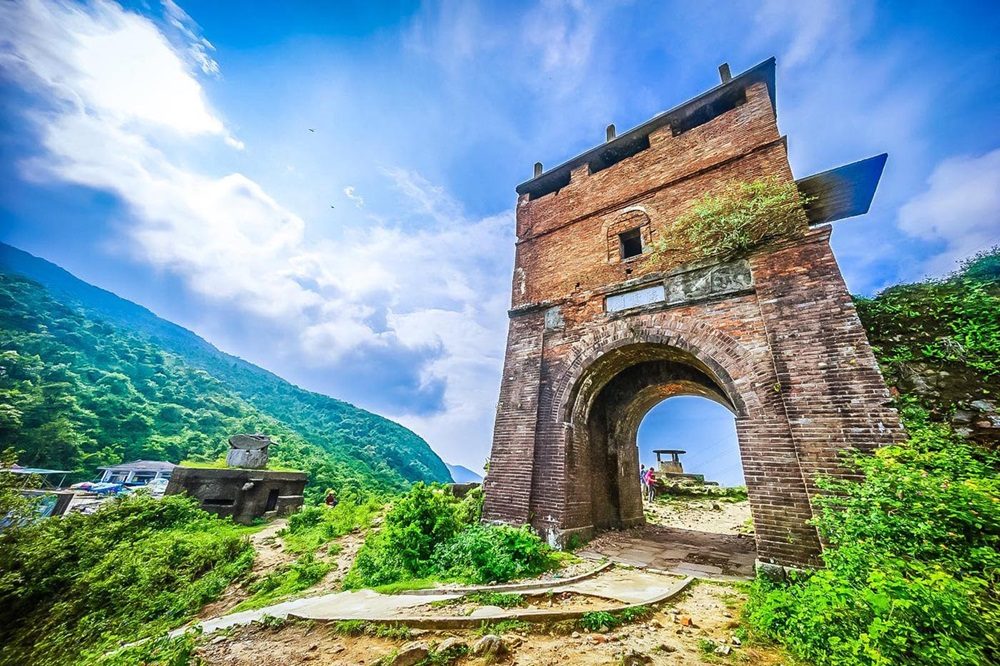
Hai Van Quan Fortress
The restored 19th-century gate complex at the summit, with its inscribed stone archways, watchtowers, and sweeping views over both Da Nang Bay and Lang Co Lagoon.
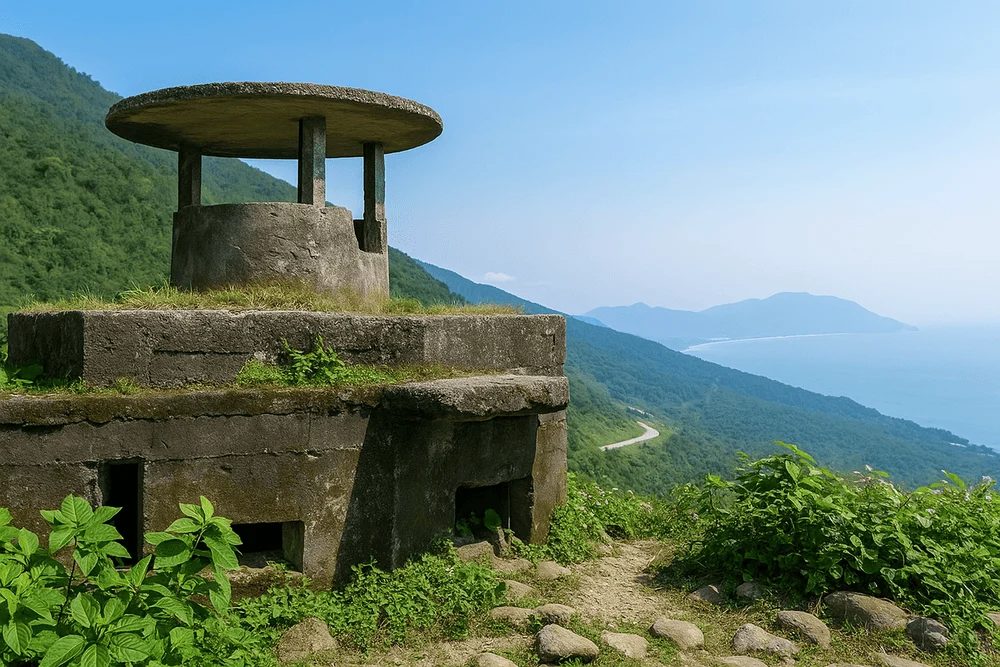
French & American Bunkers
Weathered concrete bunkers from the colonial and Vietnam War eras sit just off the road near the summit, still bearing visible bullet marks.

Panoramic Viewpoints
Hairpin turns along the climb open onto some of the most photographed coastal views in Vietnam — cliffs dropping to the sea on one side, green mountains on the other.
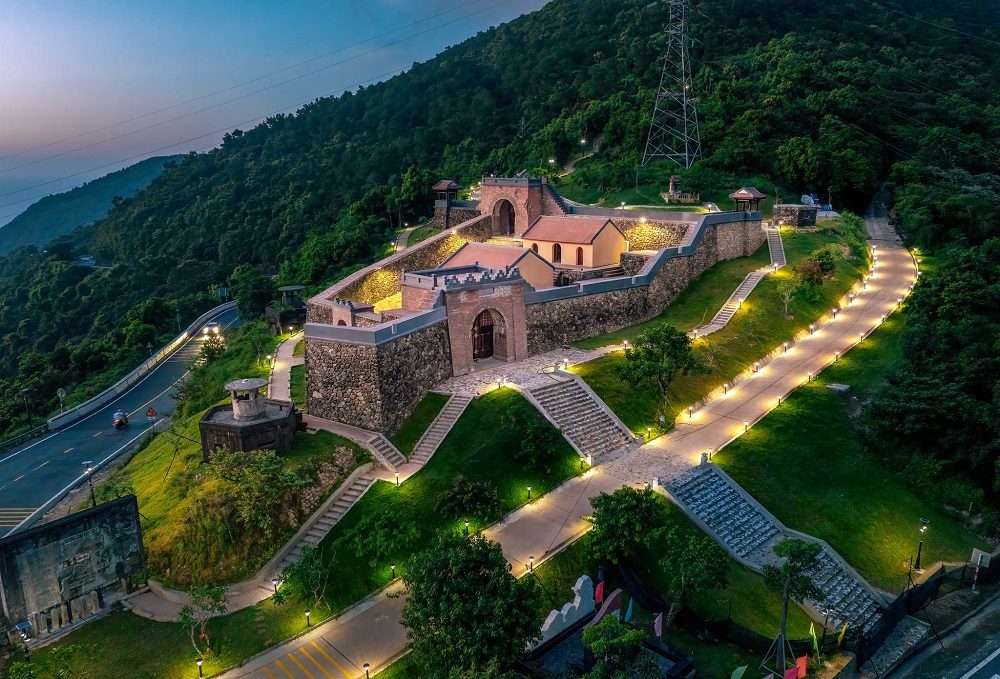
Lang Co Lagoon & Fishing Village
On the descent toward Hue, Lap An Lagoon and Lang Co’s fishing village once drew emperors Khai Dinh and Bao Dai to fish here — today it’s one of Vietnam’s most scenic rest stops.
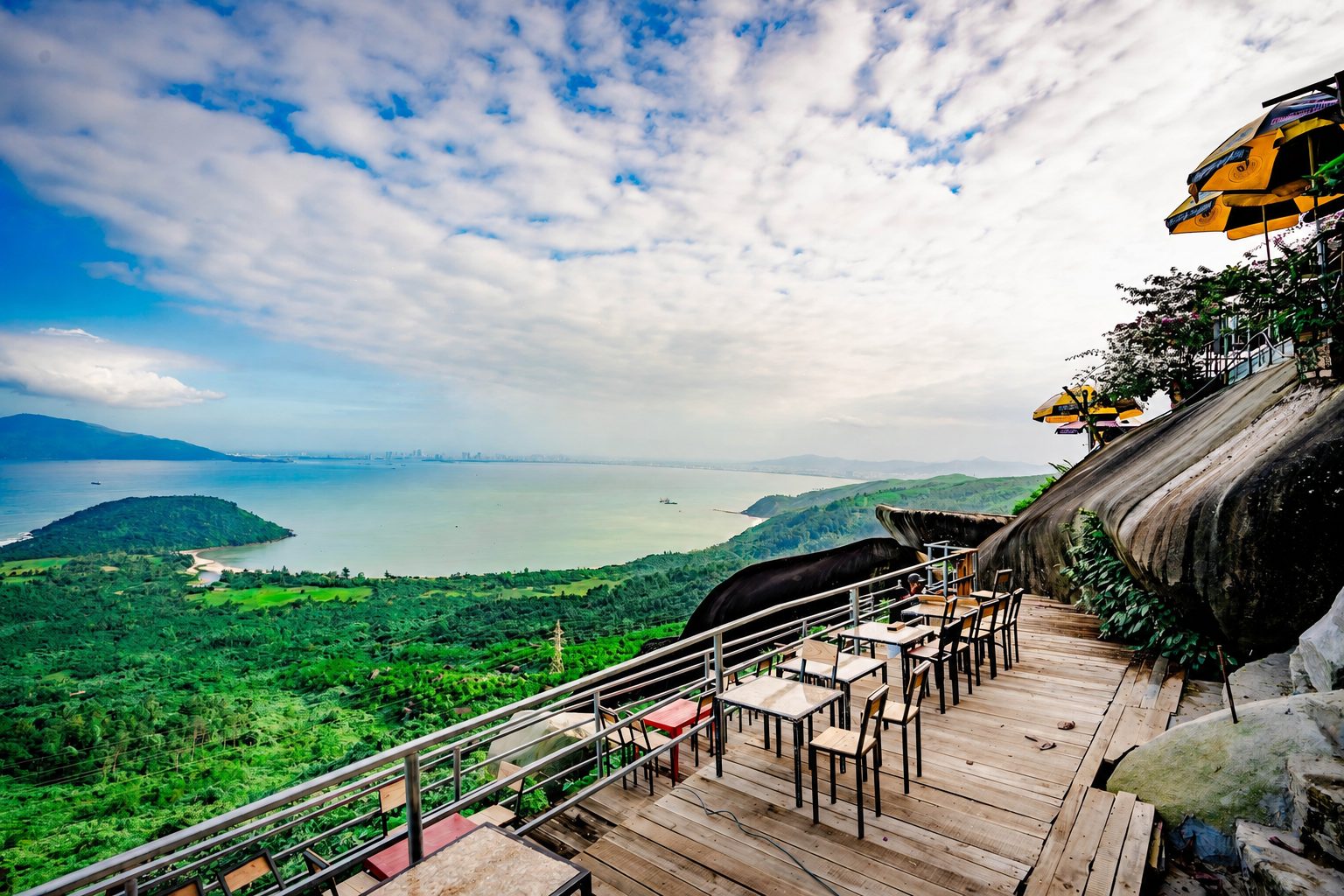
Roadside Coffee Stops
Small cafés cling to the mountainside near the summit, serving Vietnamese coffee with a view over the East Sea in both directions — a favorite pause point for riders.
Choose Your Hai Van Pass Route
A Hai Van Pass motorbike tour can run a few different ways depending on how much time you have and whether Hue is part of your trip. All routes are ridden as a passenger behind an experienced local Easy Rider driver.
Da Nang Round Trip
Ride from Da Nang up to Hai Van Quan and back the same day — no overnight stay in Hue needed. The most popular option for travelers based in Da Nang or Hoi An who want the pass without changing hotels.
Da Nang to Hue (One-Way)
Cross the pass one way and finish in Hue, with your luggage transferred ahead of you. Ideal if Hue is your next stop and you’d rather ride the coast than take a bus or train.
Hue to Da Nang / Hoi An (One-Way)
The same route in reverse — start in Hue and ride down into Da Nang or on to Hoi An, with stops at Lang Co Lagoon and Hai Van Quan along the way.
The Ride: What A Hai Van Pass Motorbike Tour Looks Like
A typical Hai Van Pass motorbike tour leaves Da Nang along the coastal road, passing Nam O village and Xuan Thieu Beach before the road begins to climb into the switchbacks that made this route famous. Riders regularly spot monkeys, birds, and butterflies along the forested upper slopes of the Bach Ma range as the road narrows and the sea drops away below. At the summit, your guide parks at Hai Van Quan, giving you time to walk the restored fortress and take in views of Da Nang Bay behind you and Lang Co Lagoon ahead — a single vantage point showing two completely different landscapes at once.
From there, the descent toward Hue winds down past Lang Co’s fishing boats and the still water of Lap An Lagoon, before either looping back to Da Nang or continuing on toward Hue, depending on which route above you choose. Because there are no gas stations directly on the pass, your guide handles fuel, timing, and safety throughout — riders are never asked to drive themselves, which matters on a road built from hairpin turns and unpredictable mountain weather.
This Hai Van Pass motorbike tour is one of several full-day routes in our Da Nang motorbike tour collection, alongside our Hoi An motorbike tour, Marble Mountain stop, city tours, and street food tours. If you’re planning your trip and want to see how it fits with everything else on offer, browse the full list on our Tours page.
When To Ride Hai Van Pass
Central Vietnam’s coast runs on two seasons rather than four, and Hai Van Pass sits right at the hinge between them. The dry season, roughly March through August, brings the clearest skies and the best visibility for the pass’s coastal views, with early morning departures around 6–7 AM rewarded with soft sunrise light, and afternoon rides from 3–4 PM timed well for sunset over the sea. The rainy season, September through December, can bring fog and slippery corners to the summit, which is one more reason a guided motorbike tour with an experienced local rider — rather than self-driving — makes sense here: conditions on this road can shift from bright sun to drifting cloud within minutes, and knowing the curves matters.
What’s Included
Every Hai Van Pass motorbike tour with DaNangOnMotorBike is led by a licensed, experienced local guide who drives for you — guests are never asked to drive themselves on this route. A helmet is provided for the full ride, and your guide will pull over at safe spots for photos at every major viewpoint, the Hai Van Quan fortress, and Lang Co Lagoon.
Prices start from $80 per person as a passenger, depending on the route you choose above. See exact pricing and availability in the booking box.
Hai Van Pass Motorbike Tour: FAQ
Do I drive the motorbike myself?
No. This is a passenger (Easy Rider) tour — you ride on the back of the motorbike while a licensed, experienced local driver handles the riding for you. You are never asked to drive yourself.
Is the Hai Van Pass motorbike tour safe?
Yes. Every ride is led by a licensed local driver who knows the pass’s hairpin turns and changing mountain weather. Helmets are provided, and your driver controls speed, route, and stops throughout — you simply ride along as a passenger.
How long does the tour take?
2 to 3 hours depending on the route: a Da Nang round trip is shorter, while a one-way ride between Da Nang and Hue takes longer with more stops along the way.
What’s the best time of year to ride Hai Van Pass?
The dry season, roughly March through August, gives the clearest skies and best coastal visibility. Early morning (6–7 AM) or late afternoon (3–4 PM) departures are ideal for soft light and cooler riding temperatures.
Can this be combined with Marble Mountain?
Yes — Marble Mountain sits on the coastal route out of Da Nang and pairs naturally with a Hai Van Pass ride. Ask about combining both in a single full-day tour.
Da Nang Motorbike Tour Collection
More Motorbike Tours To Explore
A Hai Van Pass motorbike tour pairs well with these other full-day routes from Da Nang:
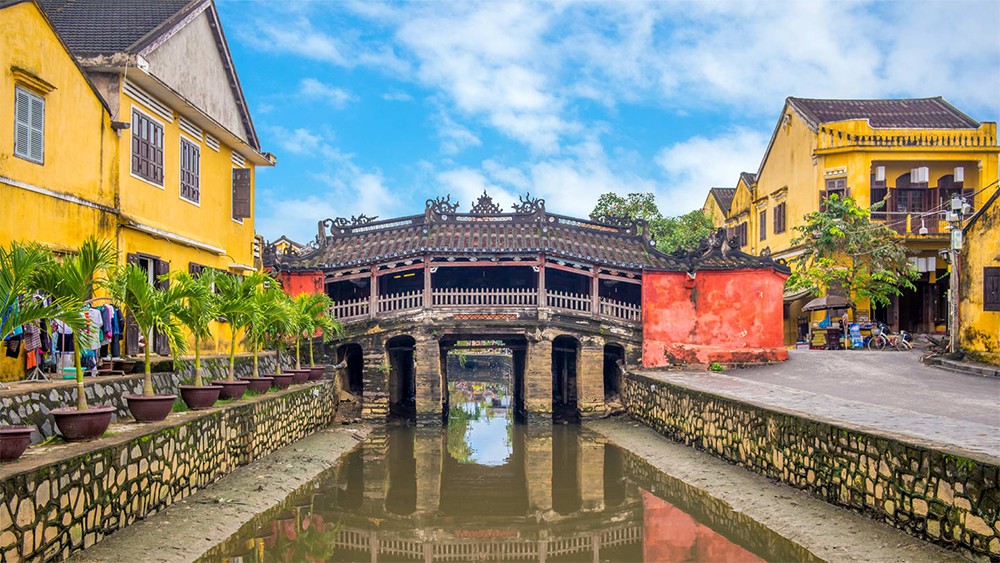
Hoi An Motorbike Tour
Ride past rice paddies, coconut villages, and hidden street food alleys before stepping into one of Vietnam’s most beautiful UNESCO ancient towns.

Ba Na Hills Motorbike Tour
Ride up into the mountains west of the city to see the Golden Bridge and the Ba Na Hills resort, held up by two giant stone hands above the clouds.

Son Tra Peninsula Motorbike Tour
Ride through a forested peninsula on the edge of the city, home to the towering Lady Buddha statue and sweeping views over Da Nang Bay.
Ready For Your Hai Van Pass Motorbike Tour?
Ride the most majestic gateway under heaven as a passenger — hairpin coastal curves, a 19th-century fortress, and views that only make sense from the back of a motorbike.
View All Da Nang Motorbike ToursOpen this in UX Builder to add and edit content
Open this in UX Builder to add and edit content
Open this in UX Builder to add and edit content
No reviews yet. Be the first to share your experience!